

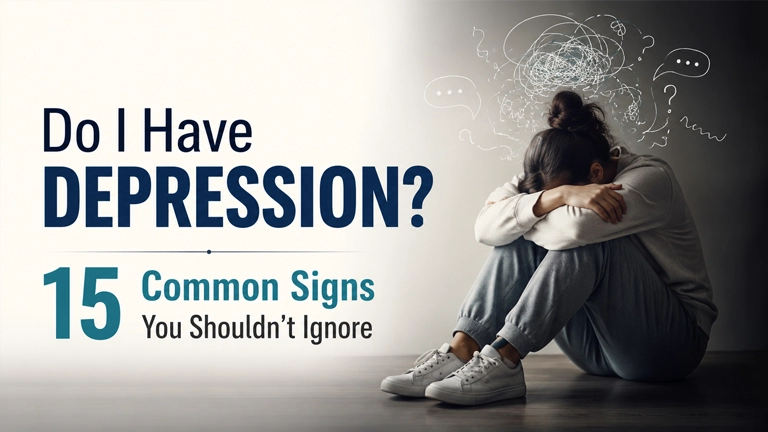
Many people experience sadness, stress, or emotional ups and downs at different stages of life. However, depression is more than simply feeling sad for a few days. It is a serious mental health condition that can affect how a person thinks, feels, and functions in daily life.
According to the World Health Organization (WHO), depression affects approximately 332 million people worldwide, making it one of the most common mental health disorders globally. It can affect people of all ages, including children, teenagers, adults, and older individuals.
One of the biggest challenges with depression is that many people do not recognize the symptoms early. They may assume they are simply tired, stressed, overwhelmed, or going through a difficult period.
If you’ve ever found yourself wondering, “Do I have depression?”, understanding the warning signs is an important first step.
What Is Depression?
Depression, also known as depressive disorder, is a mental health condition characterized by persistent sadness, loss of interest in activities, and changes in emotions, thinking, behavior, and physical health.
The WHO states that depression is different from normal mood fluctuations because symptoms persist for at least two weeks and significantly affect daily functioning.
Depression can impact:
- Personal relationships
- Academic performance
- Workplace productivity
- Physical health
- Overall quality of life
The good news is that depression is treatable, especially when identified early.
Why Recognizing Depression Early Matters
Many people delay seeking help because they believe their symptoms are not serious enough or that they should simply “push through.”
Research shows that early intervention can improve outcomes significantly and reduce the risk of long-term emotional and physical health complications.
Let’s look at some of the most common signs of depression.
15 Common Signs of Depression You Shouldn’t Ignore
1. Persistent Sadness or Low Mood
One of the most recognized symptoms of depression is a continuous feeling of sadness, emptiness, or hopelessness.
Unlike temporary sadness caused by a specific event, depressive feelings often remain for weeks or months and may not have an obvious cause.
People often describe it as:
- Feeling emotionally numb
- Feeling down most days
- Losing optimism about the future
2. Loss of Interest in Activities You Once Enjoyed
A person experiencing depression may gradually stop enjoying activities that previously brought happiness.
This may include:
- Hobbies
- Sports
- Music
- Social gatherings
- Family activities
Mental health professionals refer to this symptom as anhedonia, which is considered one of the core indicators of depression.
3. Constant Fatigue and Low Energy
Do you feel exhausted even after getting enough sleep?
Depression often causes persistent fatigue that doesn’t improve with rest.
Common experiences include:
- Feeling drained throughout the day
- Difficulty starting tasks
- Lack of motivation
- Reduced productivity
Many people mistake this symptom for physical exhaustion when it may actually be linked to mental health.
4. Sleep Problems
Depression frequently affects sleeping patterns.
Some people struggle with insomnia and find it difficult to fall asleep or stay asleep. Others sleep excessively yet still feel tired.
Common sleep-related symptoms include:
- Waking up frequently
- Early morning awakening
- Oversleeping
- Poor sleep quality
Sleep disturbances are among the most frequently reported symptoms of depression.
5. Changes in Appetite
Depression can significantly affect eating habits.
Some individuals lose interest in food and experience weight loss, while others may eat more frequently and gain weight.
Warning signs include:
- Sudden weight changes
- Loss of appetite
- Emotional eating
- Increased cravings for comfort foods
6. Difficulty Concentrating
People with depression often describe experiencing “brain fog.”
This may include:
- Trouble focusing
- Difficulty making decisions
- Forgetfulness
- Reduced attention span
Tasks that once seemed simple may suddenly feel overwhelming.
7. Feelings of Worthlessness
Depression often causes individuals to become excessively self-critical.
Common thoughts include:
- “I’m not good enough.”
- “I’m a burden.”
- “I always fail.”
These negative thought patterns can significantly affect self-esteem and confidence.
8. Excessive Guilt
Many individuals with depression experience guilt that is disproportionate to the situation.
They may:
- Blame themselves for events beyond their control
- Feel responsible for other people’s problems
- Continuously dwell on past mistakes
Persistent guilt is a common psychological symptom of depression.
9. Irritability and Anger
Depression does not always look like sadness.
In some people, especially teenagers and men, it may appear as:
- Increased frustration
- Frequent anger
- Short temper
- Emotional outbursts
These symptoms often go unnoticed because they are not traditionally associated with depression.
10. Social Withdrawal
When depression develops, social interactions can become emotionally draining.
People may begin avoiding:
- Family gatherings
- Friends
- Workplace interactions
- Community activities
Over time, isolation can worsen symptoms and create a cycle that becomes difficult to break.
11. Physical Aches and Pains
Depression is not only emotional—it can also affect the body.
Some people experience:
- Headaches
- Muscle pain
- Back pain
- Digestive issues
- Chronic fatigue
Research has shown strong connections between depression and physical symptoms.
12. Feeling Hopeless About the Future
Hopelessness is one of the strongest indicators of depression.
People may believe:
- Things will never improve
- Their efforts don’t matter
- There is nothing to look forward to
Persistent hopelessness should never be ignored.
13. Reduced Performance at Work or School
Depression often affects concentration, motivation, and energy levels.
This can lead to:
- Declining grades
- Reduced productivity
- Missed deadlines
- Poor work performance
The WHO notes that depression can significantly impact education and employment outcomes.
14. Increased Anxiety
Although depression and anxiety are different conditions, they frequently occur together.
Signs may include:
- Constant worry
- Feeling restless
- Racing thoughts
- Panic symptoms
Many people experience a combination of anxiety and depression rather than one condition alone.
15. Thoughts of Death or Self-Harm
This is one of the most serious warning signs.
Individuals experiencing severe depression may have thoughts such as:
- Feeling that life has no meaning
- Wishing they could disappear
- Thinking about death frequently
- Self-harm thoughts
The WHO reports that depression is strongly linked to suicide risk.
If someone is experiencing thoughts of self-harm or suicide, immediate professional support should be sought.
Depression Statistics Everyone Should Know
The global impact of depression continues to grow:
- Approximately 332 million people worldwide currently experience depression.
- Around 5.7% of adults globally are affected by depression.
- Depression and anxiety contribute to the loss of approximately 12 billion workdays annually, costing the global economy nearly US$1 trillion each year.
- Depression is more common among women than men.
Useful Sources
- World Health Organization – Depression Factsheet
- WHO Depression Overview
When Should You Seek Professional Help?
You should consider speaking with a mental health professional if:
- Symptoms last more than two weeks
- Daily functioning becomes difficult
- Relationships are affected
- Work or academic performance declines
- You experience thoughts of self-harm or hopelessness
Early intervention can make a significant difference in recovery and long-term well-being.
Can an Online Depression Test Help?
A depression screening tool can be a helpful first step in understanding your mental health. While an online depression test cannot provide a medical diagnosis, it can help identify symptoms and indicate whether professional evaluation may be beneficial. Think of it as a starting point rather than a final answer.
Conclusion
Depression often develops gradually, making it easy to overlook the warning signs. Persistent sadness, loss of interest, fatigue, sleep disturbances, concentration problems, and feelings of hopelessness are all signals that should not be ignored.
Recognizing these symptoms early can help individuals access support before the condition begins to affect every aspect of life. If you have noticed several of these signs in yourself or someone you care about, consider taking a professional depression screening using any online free depression test tool and seeking guidance from a qualified mental health expert.
Mental health challenges are treatable, and support is available. For professional mental health assessment, counseling, and psychological care, Reef Wellness—one of the leading counselling centers in Calicut, Kerala—provides compassionate and evidence-based support to help individuals take the next step toward emotional well-being.
