

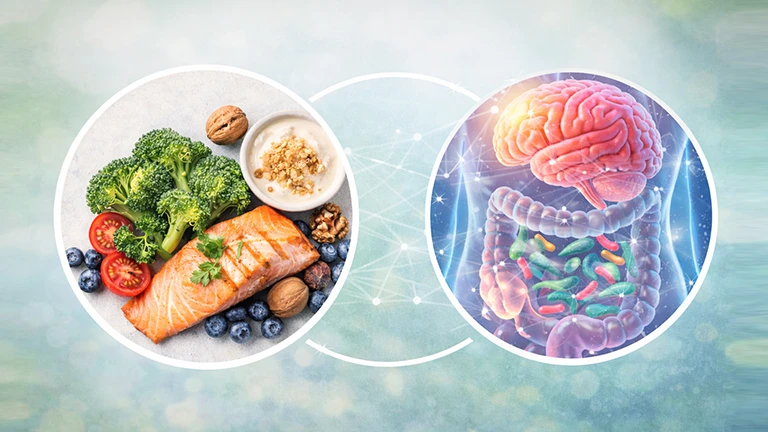
In recent years, the connection between diet and mental health has gained significant attention. While mental health conditions like anxiety, depression, and ADHD are often linked to genetics and environment, emerging research shows that what we eat plays a crucial role in how we feel.
This relationship is largely driven by the gut-brain connection, a powerful communication system between your digestive system and your brain. The purpose of this blog is to explain how diet impacts mental health, highlight the science behind the gut-brain connection, and provide practical dietary tips to support emotional well-being.
Understanding the Gut-Brain Connection
The gut and brain are closely linked through a network known as the gut-brain axis. This system involves the central nervous system, the enteric nervous system, and the trillions of microorganisms in your digestive tract known as the gut microbiome.
The gut is often called the “second brain” because it produces many neurotransmitters. Around 90% of serotonin (the feel-good hormone) is produced in the gut, meaning gut health directly affects mood.
How Diet Impacts Mental Health
1. Nutrient Deficiencies and Mood Disorders
A lack of essential nutrients can negatively impact brain function.
- Low omega-3 levels are linked to depression
- Vitamin B12 deficiency can cause fatigue and mood swings
- Magnesium deficiency may contribute to anxiety
A balanced diet helps your brain function optimally.
2. The Role of Gut Microbiome
A healthy gut microbiome supports digestion, immunity, and mental health. Poor diet habits like high sugar and processed foods can disrupt this balance.
3. Inflammation and Mental Health
Chronic inflammation is linked to mental health conditions. Processed foods and unhealthy fats increase inflammation, while natural foods reduce it.
4. Blood Sugar Imbalances
Unstable blood sugar levels can lead to:
- Irritability
- Fatigue
- Difficulty concentrating
- Mood swings
Best Foods for Better Mental Health
1. Omega-3 Rich Foods
Salmon, walnuts, and flaxseeds support brain health.
2. Probiotic Foods
Yogurt, kefir, and fermented foods improve gut health.
3. Whole Grains
Provide steady energy and improve focus.
4. Fruits and Vegetables
Rich in antioxidants that reduce stress and inflammation.
5. Nuts and Seeds
Provide magnesium and healthy fats for brain function.
Foods to Limit for Better Mental Health
- Processed foods – high in unhealthy fats
- Sugary snacks and drinks – cause energy crashes
- Excess caffeine – increases anxiety
- Alcohol – affects brain chemistry and sleep
Recommended Diet for Specific Mental Health Conditions
1. Anxiety
Magnesium, omega-3s, and probiotics can help reduce symptoms.
2. Depression
B vitamins and omega-3-rich foods support mood improvement.
3. ADHD in Kids
Reducing sugar and additives while increasing whole foods improves focus.
Practical Tips to Improve Mental Health Through Diet
- Eat balanced meals
- Stay hydrated
- Plan your meals
- Include gut-friendly foods
- Practice mindful eating
The Role of Lifestyle Alongside Diet
- Regular physical activity
- Adequate sleep
- Stress management
- Social connection
When to Seek Professional Help
Diet helps improve mental health, but it is not a replacement for professional care. Seek expert help if symptoms persist.
Conclusion
The gut-brain connection shows how diet directly impacts mental health. Choosing nutrient-rich foods, maintaining gut health, and avoiding processed foods can improve mood and overall well-being.
For personalized guidance, consider Reef Wellness, where a holistic approach supports mental and emotional health.
